A Useful Introduction of the L1 Intracompany Transfer Visa and Its Advantages for Companies
The L1 Intracompany Transfer Visa acts as an essential source for multinational firms. It facilitates the transfer of employees to united state offices in crucial duties. This visa not just streamlines procedures yet likewise supports critical development in a competitive market. Comprehending its framework and needs is critical for firms looking to take advantage of this chance. The complying with sections will certainly explore its nuances and the benefits it uses.
Recognizing the L1 Intracompany Transfer Visa
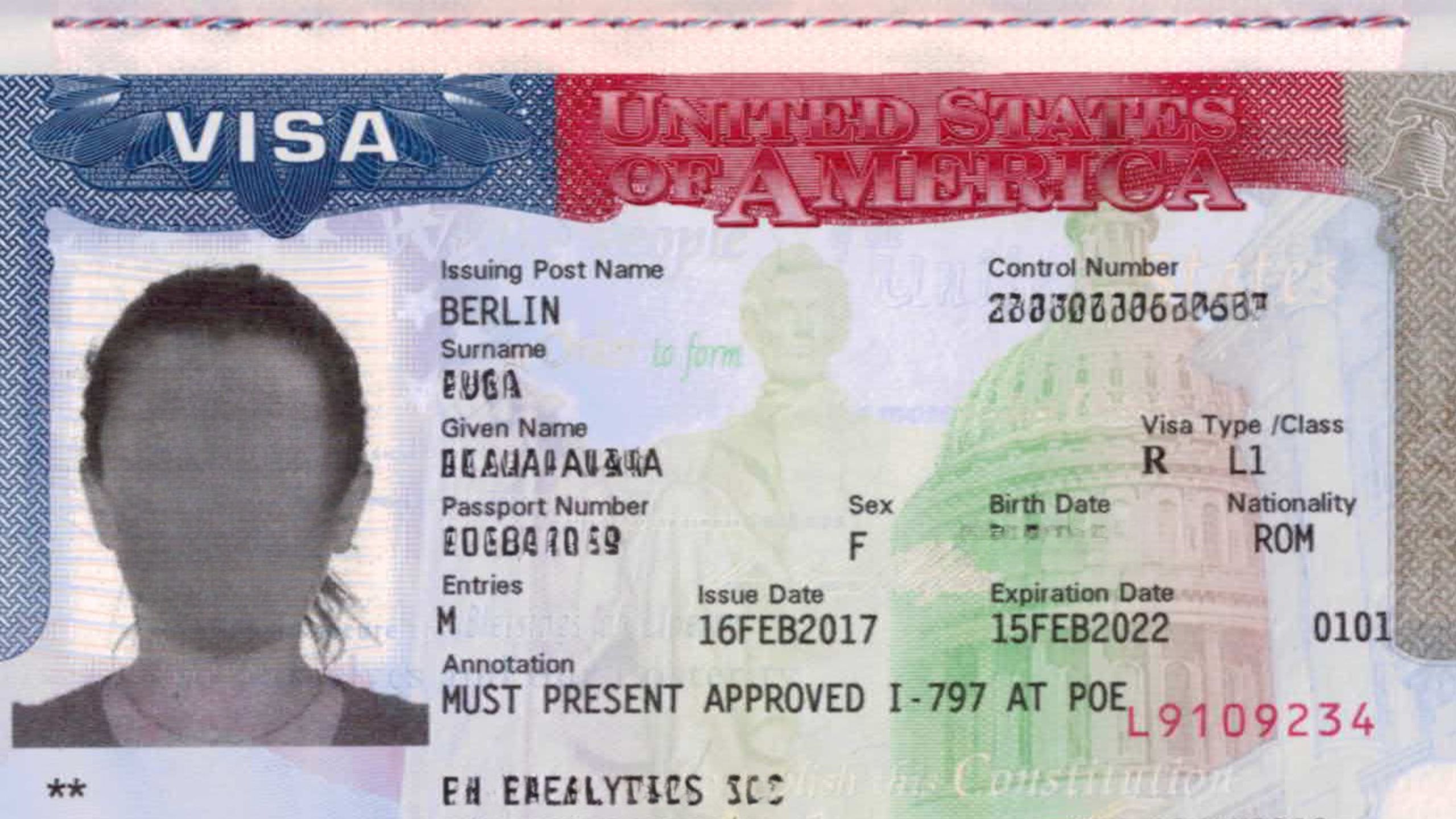
The L1 Intracompany Transfer Visa serves as an important path for multinational companies to transfer employees in between their international and U.S. workplaces. This visa is developed to promote the movement of managerial, exec, or specialized expertise personnel, thereby boosting operational effectiveness. By enabling companies to relocate key employee, the L1 visa helps preserve connection and assurance that essential skills are available within the U.S. procedures.
There are two primary classifications: L-1A for execs and supervisors, and L-1B for those with specialized expertise. The visa is usually legitimate for one to three years, with the possibility of extensions, enabling long-lasting assignments. Additionally, the L1 visa can lead the way for long-term residency alternatives, consequently providing a calculated benefit for firms aiming to purchase their labor force. On the whole, the L1 visa sustains the international movement of skill necessary for global business development.
Eligibility Requirements for the L1 Visa

Qualifying Employee Classifications
Qualification for the L1 visa rests on details staff member classifications that mirror the applicant's role within the organization. There are two primary categories: L-1A for managers and executives, and L-1B for workers with specialized knowledge. L-1A candidates must show their capability to manage operations, manage team, or handle significant features within the business. On the other hand, L-1B applicants are required to have innovative understanding regarding the firm's items, solutions, or processes, which is crucial for the company's success. Both classifications require that the staff member has actually been utilized by the international entity for a minimum of one continual year within the last three years, making certain that the private brings beneficial experience and insight to the united state branch or subsidiary.
Company Connection Requirements
Firm relationship criteria are vital for establishing eligibility for the L1 visa, as they establish the needed connection in between the united state entity and its international counterpart. To certify, the applicant must show that the 2 companies are either parent-subsidiary, branch office, or associate organizations. This partnership should be more than just a shared ownership risk; it requires active operational connections and a merged company purpose. The U.S. entity must employ the moving employee for a minimum of one continual year within the last 3 years. Additionally, the international entity must have been operational during the same duration. Satisfying these requirements guarantees that the staff member's transfer offers a genuine organization demand, ultimately fostering global service operations and partnership.
Types of L1 Visas: L1A vs. L1B
While both L1A and L1B visas facilitate the transfer of staff members within international companies, they accommodate different duties and certifications. The L1A visa is designed for executives and supervisors that will look after the company's operations in the U.S. Candidates should show their capacity to take care of a considerable group or function, making this visa perfect for top-level positions. On the other hand, the L1B visa targets workers with specialized expertise vital to the business's operations. This might include advanced technological skills, proprietary details, or competence in the business's processes or procedures. While both visa types can originally be approved for as much as three years, L1A owners might prolong their remain for a total of seven years, whereas L1B owners are restricted to 5 years. Comprehending the distinctions in between these visas is important for firms seeking to maximize their skill wheelchair approaches.
Application Refine for the L1 Visa
The application process for the L1 visa involves several vital steps that applicants should browse. Initially, individuals need to comprehend the eligibility demands to establish their qualification. Following this, they require to collect the needed documentation and understand the typical processing timeline to ensure a smooth application experience
Eligibility Requirements Review

Application Documentation Needed
Collecting the suitable documentation is an important action in the application process for the L1 Intracompany Transfer Visa. Applicants should offer several key papers to sustain their case. This consists of a completed Form I-129, Request for a Nonimmigrant Employee, in addition to the L Supplement. Evidence of the certifying relationship in between the united state company and the international entity is also needed, such as business organizational charts and ownership records. Furthermore, proof of the candidate's employment, such as task descriptions, pay stubs, and tax obligation documents, must be submitted. It is important to show that the applicant has held a managerial or executive setting or possesses specialized expertise. Correctly compiled documentation can considerably enhance the chances of an effective visa.
Processing Timeline Expectations
How long does the processing have a peek at this website of an L1 Intracompany Transfer Visa commonly take? The timeline for processing an L1 visa can vary based on a number of factors, including the solution facility dealing with the application and the complexity of the situation. Typically, conventional handling may take anywhere from two to 6 months. Firms can opt for costs handling, which quickens the decision to 15 calendar days for an additional fee. Hold-ups can occur because of added documentation demands or history checks, possibly prolonging the timeline. It is crucial for firms to intend as necessary, permitting adequate time for handling and any unforeseen delays, guaranteeing a smooth changeover for the moving worker.
Duration and Renewal of the L1 Visa
The L1 visa supplies a structured timeframe for intracompany transferees, enabling them to operate in the USA for a defined period. The preliminary legitimacy duration for an L1A visa, planned for managers and execs, is up to three years, while the L1B visa, created for specialized knowledge employees, is typically granted for one to three years. Expansions can be acquired, with L1A holders qualified for an optimum remain of seven years and L1B owners up to 5 years.
To renew the L1 visa, companies should demonstrate that the worker stays involved in qualifying employment and that the setting is still required for the company's procedures. It is vital to file the expansion application prior to the existing visa expires to maintain lawful status. Overall, the organized duration and revival process helps with worldwide business operations while ensuring conformity with U.S. migration policies.
Advantages of the L1 Visa for Companies
Leveraging the L1 visa can significantly boost a company's functional capabilities by helping with the transfer of key personnel from consular services to united state locations. This stipulation allows business to maintain continuity in management and competence, making sure that important understanding and abilities are preserved within the company. L1 intracompany transfer visa. By relocating specialized workers, business can successfully reply to regional market needs and strengthen their competitive edge
Furthermore, the L1 visa sustains international business techniques by making it possible for multinational companies to deploy team where they are most needed, thereby enhancing source allowance. The ability to move executives and managers promotes development, partnership, and cultural exchange, which can bring about boosted productivity.
The L1 visa offers a pathway for companies to develop a visibility in the U.S. market without the prolonged process required for various other visa kinds. This structured strategy improves operational performance and increases development opportunities in the American organization landscape.
Tips for a Successful L1 Visa
An effective L1 visa needs cautious prep work and focus to information. Business must start by assuring that the applicant fulfills all qualification standards, including prior a knockout post work duration and particular job duties. Gathering extensive documents is crucial; this includes proof of the certifying partnership between the united state and foreign entities, along with the applicant's certifications and work background.
Companies have to additionally clearly describe the work obligations in both locations, stressing the specialized understanding required for the setting. It's advisable to compose an in-depth petition that verbalizes the company reasoning for the transfer, showcasing exactly how it lines up with firm goals.
In addition, timing plays a significant function in the application procedure; sending applications well beforehand can protect against delays. Consulting with an immigration attorney can provide understandings right into potential risks and warranty conformity with existing immigration legislations, thereby enhancing the possibility of authorization.
Frequently Asked Concerns
Can L1 Visa Holders Use for Permanent Residency?
L1 visa holders can make an application for permanent residency in the United States. This process typically entails filing a modification of standing application, permitting eligible individuals to shift from short-lived to irreversible resident status under particular problems.
Are There Any Age Limitations for L1 Visa Applicants?
There are no details age restrictions for L1 visa candidates. Individuals of any type of age can apply, offered they meet the essential credentials related to employment and specialist experience within the sponsoring firm.
What Happens if the Business Change Hands?
If a business changes hands, the L1 visa status may continue to be legitimate, supplied the brand-new possession keeps the exact same functional framework. Nonetheless, the brand-new entity has to follow visa requirements and inform migration authorities if necessary.
Can L1 Visa Holders Traveling Outside the U.S.?
L1 visa owners can travel outside the U.S. Nonetheless, they should guarantee their visa continues to be legitimate and may call for a new visa stamp upon re-entry, depending upon the period of their lack and any changes in employment.
Is There a Limit on the Number of L1 Visas Provided?
There is no yearly cap on L1 visas, allowing firms to transfer an endless variety of certifying staff members. This adaptability supports international organization procedures and assists in the movement of ability throughout international branches.
The L1 Intracompany Transfer Visa offers as a crucial path for international companies to move staff members between their foreign and U.S. workplaces. The L1A visa is designed for execs and managers that will certainly look after the organization's operations in the United state Applicants should show their More hints ability to handle a significant group or feature, making this visa suitable for high-level settings. The preliminary legitimacy period for an L1A visa, planned for execs and supervisors, is up to three years, while the L1B visa, developed for specialized understanding employees, is normally granted for one to three years. To renew the L1 visa, firms should show that the worker continues to be involved in qualifying employment and that the position is still needed for the firm's operations. The L1 visa provides a path for companies to establish an existence in the United state market without the lengthy process needed for various other visa types.